Inform Surveying Limited

The Party WallProcess, Made Clear

A plain-English guide to the Party Wall etc. Act 1996 — the notices, the timescales, your responsibilities, and the pitfalls that catch owners out. Written by Chartered Building Surveyors.

2 mo
Longest notice period
14 days
To respond
12 mo
Notice validity
~3 mo
Lead time to allow
Scroll to explore
Start here

Which side of the wall are you on?

The Act gives both sides rights and duties. Pick the route that fits your situation — you can read the other side too.

The Three Notice Types

Formal written notice is required before any notifiable work begins. The type depends on what you're planning to do.

Section 1 & 2

Party Structure Notice

For work directly to a wall or structure shared with your neighbour:

  • Cutting into a party wall to insert a beam
  • Raising or rebuilding a party wall
  • Underpinning a party wall
  • Removing chimney breasts or projections
Minimum 2 months before works
Section 6

Adjacent Excavation Notice

Required when excavating near a neighbour's foundations. Two trigger distances:

  • Within 3 m — any excavation lower than their foundations (S.6(1))
  • Within 6 m — excavation cutting a 45° line down from their foundations (S.6(2))
Minimum 1 month before works
Section 1

Line of Junction Notice

For building a new wall at or astride the boundary line:

  • A new wall built up to the boundary line
  • A new wall astride the boundary (needs written consent)
  • Common with extensions and new boundary walls
Minimum 1 month before works
2 mo
Party Structure notice
1 mo
Line of junction & excavation
14 d
Response window
12 mo
Notice validity

Building Owner Process

The step-by-step route for owners planning notifiable works — from first checks through to completion.

1

Check whether your works are notifiable

Before you begin

Not all building work triggers the Act. Confirm whether yours does before anything else.

Usually notifiable
  • Loft conversions involving a party wall
  • Extensions within 3 m or 6 m of a neighbour's foundations
  • Inserting a steel beam into a party wall
  • Removing a chimney breast from a party wall
  • Underpinning shared foundations
Usually not notifiable
  • Internal alterations away from the party wall
  • Minor fixings drilled into a party wall
  • Plastering or decorating a party wall surface

If in doubt, get preliminary advice. Getting this wrong is expensive to unwind.

Read more
2

Get your design and structural detail settled first

2–3 months before works

Notices stand or fall on the drawings behind them. Settle the design — and the structural detail — before you serve anything.

What needs to be in place
  • Scale drawings showing existing and proposed conditions
  • The boundary line clearly marked, with dimensions to it
  • Structural engineer's foundation and excavation detail
  • Cross-sections for any excavation, showing depth against the neighbour's foundations

Instruct the structural engineer alongside the architect. Without the foundation detail, a valid Section 6 notice cannot be drafted — and this is one of the commonest causes of delay.

Read more
3

Instruct a party wall surveyor

Recommended: early

A surveyor confirms which notices apply, prepares them correctly, and steers the timescales.

What a surveyor provides
  • Assessment of which notice types apply
  • Preparation and service of valid notices
  • Guidance on timescales and obligations
  • Schedule of Condition of the adjoining property
  • The Party Wall Award if consent isn't given

The Building Owner normally bears the reasonable costs of the Adjoining Owner's surveyor — a statutory point under Section 10 of the Act.

Read more
4

Serve the notice

2 months (S.1) or 1 month (S.2/S.6) ahead

Formal written notice goes to every affected adjoining owner, with the prescribed information.

A valid notice includes
  • Your name and address as Building Owner
  • The nature and particulars of the works
  • The proposed start date
  • Reference to the relevant section of the Act
How to serve
  • By hand (keep proof)
  • By recorded delivery
  • Left at, or posted to, the last known address

A notice stays valid for 12 months from its stated start date. After that, you must serve afresh.

Read more
5

Wait for the response

14-day response period

The Adjoining Owner has 14 days to respond. Three outcomes are possible — consent, dissent, or silence.

The three outcomes
  • Consent: works can proceed once the notice period expires. Record it in writing.
  • Dissent: a dispute is deemed to have arisen. Surveyors are appointed and an Award follows.
  • No response: after 14 days a dispute is deemed to have arisen. You can't appoint a surveyor on their behalf yet — you must first serve a written request giving a further 10 days to appoint. Only then, if they still don't, can you appoint for them (Section 10(4)). Allow for this in the programme.

You cannot start notifiable works until you have written consent, or an Award has been made and served.

Read more
6

Award, Schedule of Condition, then build

Award typically 4–8 weeks

If a dispute arises, the surveyors prepare an Award governing how the works are carried out. A Schedule of Condition records the adjoining property first.

The Award usually covers
  • A description of the permitted works
  • The Schedule of Condition (photographic record taken before works)
  • Working hours and access arrangements
  • Protection and making good
  • How costs are allocated

Either party has 14 days from service to appeal to the County Court. Once that passes, the Award is binding and works can begin — strictly in line with it.

Read more
After the notice

What happens in the next 14 days

How the Adjoining Owner responds within the window decides which way the process turns.

Dissent (a dispute)

The neighbour wants safeguards. A dispute is deemed to arise. Each side appoints a surveyor, or both agree a single Agreed Surveyor, who prepare the Award.

Surveyors appointed — Award prepared

No response (14 days)

Silence counts as a deemed dispute — but you can't appoint for them straight away. The Building Owner must first serve a written request giving a further 10 days to appoint a surveyor. Only if they still don't can a surveyor be appointed on their behalf (Section 10(4)).

Deemed dispute — 10-day request, then appoint

Adjoining Owner Process

Received a notice? Here's what it means and what to do. Your property is protected, normally at no cost to you.

1

Read the notice carefully

Day 0 — notice received

It should name the Building Owner, describe the works, reference the right section, and give a proposed start date.

What to check
  • Is it correctly addressed to you?
  • Does it describe the works clearly?
  • Is it the correct section (1, 2 or 6)?
  • Is the start date realistic given the notice period?

If anything is unclear, take advice before you respond.

Read more
2

Decide: consent or dissent

Within 14 days

Consent and the works proceed without an Award. Dissent and the surveyor process begins. Dissenting is common — and sensible.

You might consent if
  • The works are minor and won't affect you
  • You trust the owner and their contractor
  • You want to keep things neighbourly
You might dissent if
  • You want a Schedule of Condition for protection
  • The works are significant
  • You want enforceable terms on hours, access and making good
  • You want professional oversight

Dissenting does not stop the works. It puts proper safeguards in place.

Read more
3

Appoint your surveyor

Within 10 days of dissent

Appoint promptly. If you don't, the Building Owner can appoint one on your behalf under Section 10(4).

Your surveyor's role
  • Acts impartially to resolve the dispute, not as your advocate
  • Inspects your property and prepares a Schedule of Condition
  • Negotiates the terms of the Award
  • Makes sure your property is protected

Cost: the Building Owner normally meets the reasonable fees of your surveyor. You shouldn't usually pay anything.

Read more
4

Award served — and your right to appeal

14-day appeal window

Once agreed, the Award is served on both sides. You have 14 days to appeal to the County Court if you disagree with its terms.

The Award gives you
  • A legal framework for how the works are done
  • A Schedule of Condition of your property
  • Provisions for making good any damage
  • Working-hours and access limits
  • Obligations on the Building Owner

If damage occurs, the Schedule of Condition is your baseline evidence for a claim.

Read more

Common Pitfalls

The mistakes that cost owners time and money — drawn from what we see on real jobs. Read these before you serve anything.

Why this matters

Most party wall delays are self-inflicted

Few disputes are really about the building work. Far more often, the project stalls because the notice was served too early, on incomplete drawings, with no idea where the boundary runs — or because nobody allowed for the statutory clock. Every one of these is avoidable. Here are the nine we see most.
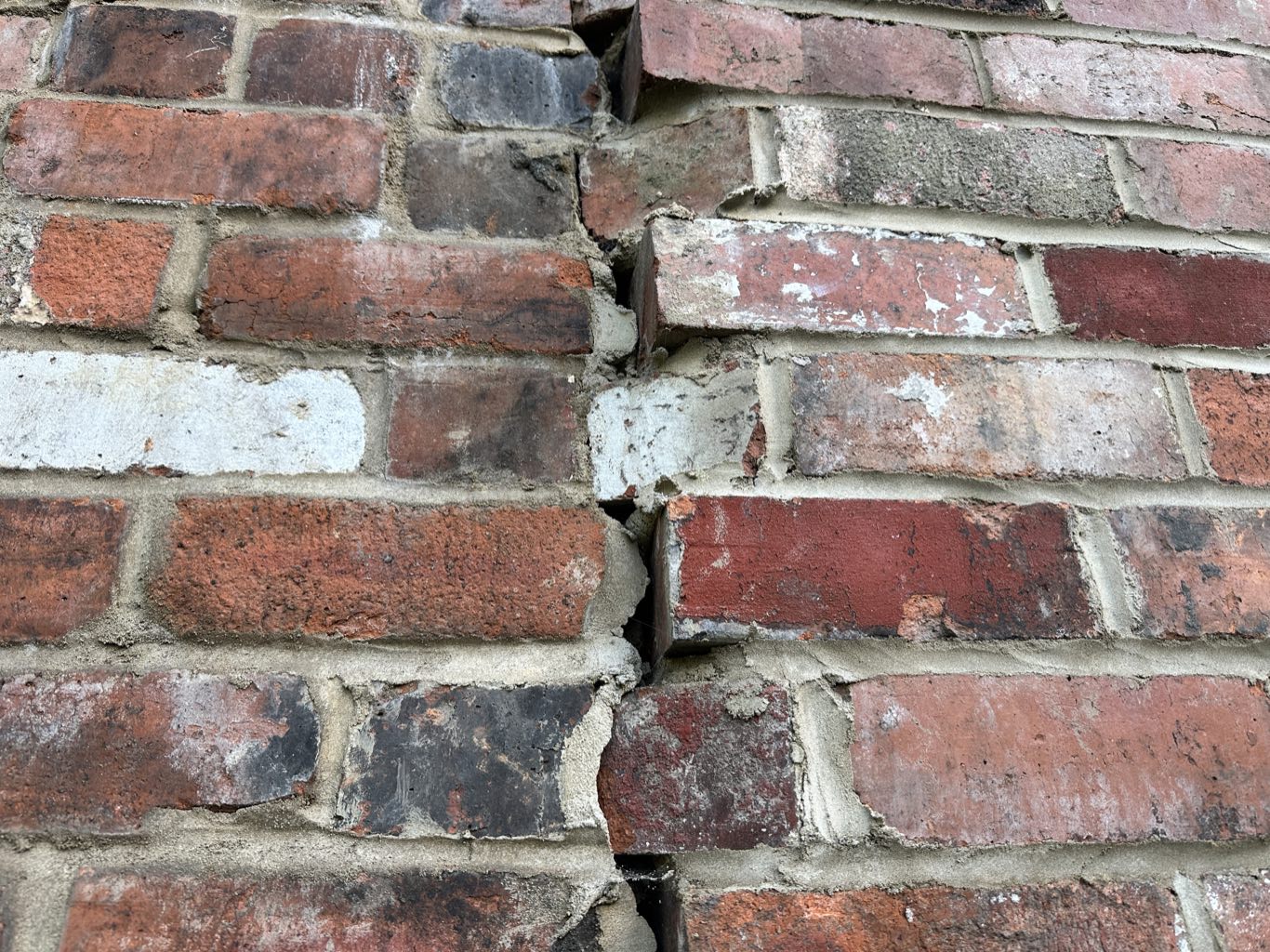
Cracking to brickwork — the kind of pre-existing condition a Schedule of Condition records before works begin
A Schedule of Condition records cracks like this before works begin — your evidence baseline.
Read this before you design

There is no automatic right to go onto your neighbour's land

Owners often assume they — or their builder — can simply step next door to put up scaffold, render the new flank wall, or dig. You can't. Going onto a neighbour's land without permission or a legal right is trespass.

  • Party Wall Act, Section 8: grants access for the notified works — but only once an Award is in place, and with 14 days' notice.
  • Access to Neighbouring Land Act 1992: only helps for works reasonably necessary to preserve your property — not extensions or improvements — and needs a court order if refused.
  • Design it out: wherever you can, design so the works are built entirely from your own land. Where access is genuinely needed, secure it through the Award or by agreement before you commit.
1Project-stopping

"We've got planning — let's start"

Planning and party wall are entirely separate.

Planning decides whether you can build. The Party Wall Act governs how the works affect your neighbour. Starting notifiable works without an agreement is a breach — your neighbour can get a court injunction to stop you within days, plus costs.

Do this insteadRun the party wall process as a parallel workstream that must finish before a spade goes in.
2Project-stopping

Leaving no time for the statutory clock

The periods are fixed — they can't be shortened.

Two months for a Party Structure notice, one month for line-of-junction or excavation, a 14-day response window, then 4–8 weeks to agree an Award if there's a dispute. None of it can be rushed, however urgent the build.

Do this insteadStart the party wall process around three months before your intended start date.
3High risk

Serving on half-finished drawings

A vague notice is an invalid notice.

Drawings must be to scale and show existing and proposed conditions; excavation needs cross-sections showing depth against the neighbour's foundations. Serve on sketches and the notice gets challenged — and if the design then changes, the notice falls away and the clock resets.

Do this insteadFinalise and check the drawings before serving. Don't serve to "save time" on a moving design.
4High risk

No structural engineer, no foundation detail

No detail means no valid notice.

If the structural engineer isn't instructed early, there's no foundation design, no excavation depths and no temporary-works detail. A Section 6 notice can't be drafted without it — and structural design itself takes weeks.

Do this insteadInstruct the engineer alongside the architect. Their detail is an input to the notice, not an afterthought.
5High risk

"I'm not sure where my boundary is"

The title plan shows general boundaries, not the exact line.

Many owners don't know precisely where the boundary runs, which wall or fence they own, or what they're responsible for. You can't serve the right notice — on the right people — if you don't know that.

Do this insteadEstablish the boundary and ownership early, from the deeds, title plan and a surveyor's view.
6Causes delay

Drawings with no boundary marked

If the line isn't drawn, nobody can assess it.

Plans that don't show the boundary make it impossible to see what's built up to it, astride it, or how close excavation comes. The result is queries, back-and-forth and lost weeks.

Do this insteadInsist the boundary line is on every relevant plan and section, dimensioned.
7Causes delay

"My neighbour will just agree"

Plan for dissent as the default.

Even reasonable neighbours often dissent — usually to secure a Schedule of Condition and enforceable terms, which is sensible, not hostile. A dissent (or silence) triggers surveyors and an Award: weeks you didn't budget for.

Do this insteadTalk to your neighbour early and informally — it helps — but never bank on consent.
8Project-stopping

Assuming you can work from next door

There's no automatic right of access — see the red panel above.

Scaffolding over the boundary, rendering the new wall, or digging from the neighbour's side all need a legal right. Section 8 access only exists once an Award is in place; the 1992 Act only covers preservation works.

Do this insteadDesign so works are built from your own land, or secure access through the Award before you commit.
9Sours goodwill

Not bringing your neighbour with you

A notice landing cold rarely lands well.

Serving a formal notice with no word beforehand puts even reasonable neighbours on the back foot. A short, early conversation — showing you've thought about how the works affect them — protects the relationship. Skip it and you can turn a willing neighbour into an aggrieved one, or a neutral one into a hostile one.

Do this insteadSpeak to your neighbour early, hear their concerns, and show a genuine effort to consider them before the notice arrives. Be neighbourly.

Frequently Asked Questions

Straight answers to the questions we hear most — on process, costs, access and your rights.

A party wall stands on the land of two or more owners and forms part of a building. It can also be a wall standing on one owner's land but used by two owners to separate their buildings (a party fence wall). The Party Wall etc. Act 1996 provides a framework for preventing and resolving disputes about party walls, boundary walls and excavations near neighbouring buildings.
Not automatically. There is no general right to enter a neighbour's land, and doing so without permission is trespass. The Party Wall Act (Section 8) grants access for the notified works, but only once an Award is in place and with at least 14 days' notice (one day in an emergency). The Access to Neighbouring Land Act 1992 can grant access for works reasonably necessary to preserve your property — not for extensions or improvements — and needs a court order if the neighbour refuses. Wherever possible, design the works so they can be built from your own land.
They are separate and run independently. You may need both. Planning deals with whether you can build; the Party Wall Act deals with how the works affect your neighbour. Crucially, having planning permission does not let you start notifiable works — the party wall process must conclude first. Address both early to avoid delay.
The Building Owner carrying out the works normally meets the reasonable costs of the process, including the Adjoining Owner's surveyor's fees, under Section 10 of the Act. The Adjoining Owner shouldn't usually need to pay anything, unless they are also carrying out notifiable works of their own.
No. The Act exists to facilitate works, not to prevent them. Even if your neighbour dissents, the dispute-resolution process produces an Award that lets the works proceed on agreed terms. But you cannot start notifiable works until either consent is given in writing or an Award has been served.
If the Adjoining Owner consents in writing, you're clear once the notice period expires (2 months for Section 1, 1 month for Sections 2 and 6). If a dispute arises and an Award is needed, allow 4–8 weeks from surveyor appointment, longer for complex cases. As a rule of thumb, begin the party wall process around three months before your intended start date.
Starting notifiable works without proper notice breaches the Act. Your neighbour can seek a County Court injunction to halt the works immediately — costly and disruptive — and the court may award damages. Always serve proper notices and have consent or an Award in place before you start.
A detailed photographic and written record of the adjoining property's condition before works begin. It captures existing cracks, defects and damage, so that if new damage appears during the works there's a clear baseline for comparison. It forms part of the Award and is critical evidence if a claim arises.
Most Land Registry title plans show only general boundaries, not the precise legal line, and the plan rarely settles who owns a given wall or fence. Check your deeds and transfer documents, look for "T-marks" indicating ownership and repairing responsibility, and take a surveyor's view if it's unclear. Getting this right early is essential — you can't serve the correct notice on the correct people without it.
Yes. Both parties can appoint a single "Agreed Surveyor" under Section 10(1)(a) — often quicker and more economical. The Agreed Surveyor acts impartially and represents neither party. Either party can instead appoint their own surveyor at any point, which converts it to a two-surveyor arrangement.
If the property is unoccupied or the owner can't be traced, the notice can be served by fixing it to the property and posting a copy to the last known address. If no response comes within 14 days, a dispute is deemed to have arisen. You then serve a written request giving a further 10 days to appoint a surveyor; if they still don't, a surveyor can be appointed on their behalf under Section 10(4). A Land Registry title search can help identify the current owner.
It covers "party fence walls" — masonry walls on the boundary that don't form part of a building. Ordinary timber garden fences are not covered; disputes about those are a separate matter under common law and the title. If you're building a new brick wall on or near the boundary, the Act may well apply.
Track your progress

Building owner checklist

Tick each item as you go. Your progress is saved on this device.

0 of 15 complete
Confirm the works are notifiable under the Act
Establish the boundary line and who owns what
Instruct architect and structural engineer together
Finalise scale drawings with the boundary marked
Identify all adjoining owners affected
Instruct a party wall surveyor
Determine the correct notice type(s): S.1, S.2 or S.6
Prepare and serve valid notice(s)
Retain proof of service
Allow 14 days for the response
Confirm consent in writing, or surveyor appointments
Schedule of Condition completed
Party Wall Award prepared and served
14-day appeal period expired
Works commenced strictly in line with the Award

Useful Links & Resources

The legislation itself, the official guidance, and trusted help on boundaries and access. All open in a new tab.

Need Expert Party Wall Advice?

Whether you're planning works or you've received a notice, our Chartered Surveyors will guide you through it — clearly, and on time.

Inform Surveying Limited
Chartered Building Surveyors • RICS Regulated • Sheffield
www.informsurveying.co.uk